By Johnica Morrow
 High school students from all over Nebraska traveled to the station last week to attend a field-based biology summer camp under the Young Nebraska Scientists (YNS) program. Our students learned a great deal about many different organisms and how biologists study these organisms.
On Monday, students began discussing arthropod diversity. The day was quite rainy (though there was less of a downpour than the students saw shortly after arriving at the station Sunday evening), so students weren't able to go out in the field that morning. Instead, students conducted behavioral experiments with crayfish collected prior to the camp. Afterwards, they dissected both a crayfish and a lubber grasshopper and compared the anatomy of these two very different, though loosely related organisms. That afternoon, they hiked up the hill to collect termites from cow pies and discussed colony structure in this group of insects. Afterward, students looked at the gut microbes of these termites to better understand the symbiotic relationship between termites and their protozoan symbionts. In the late afternoon, students went canoeing to relax after a long day of learning.


Tuesday brought new challenges. The scheduled turtle tracking was changed due to last minute conflicts of interest. Instead, students learned how to sweep net for insects and spiders. Afterward, they learned how to preserve and identify these arthropods like entomologists and arachnologists. They also learned how to use a dip net while looking for larval insects at Beckius Ponds. Later in the day, students discussed aquatic ecosystems with a field trip to Lonergan Creek, where they collected planarians, observed various primitive plants, and learned the joys of getting wet, dirty, and sweaty doing field work. On the way back to the station, students went for a swim in Lake McCounaghy before heading up to Mom's Pantry for some delicious fudge and soft serve ice cream.


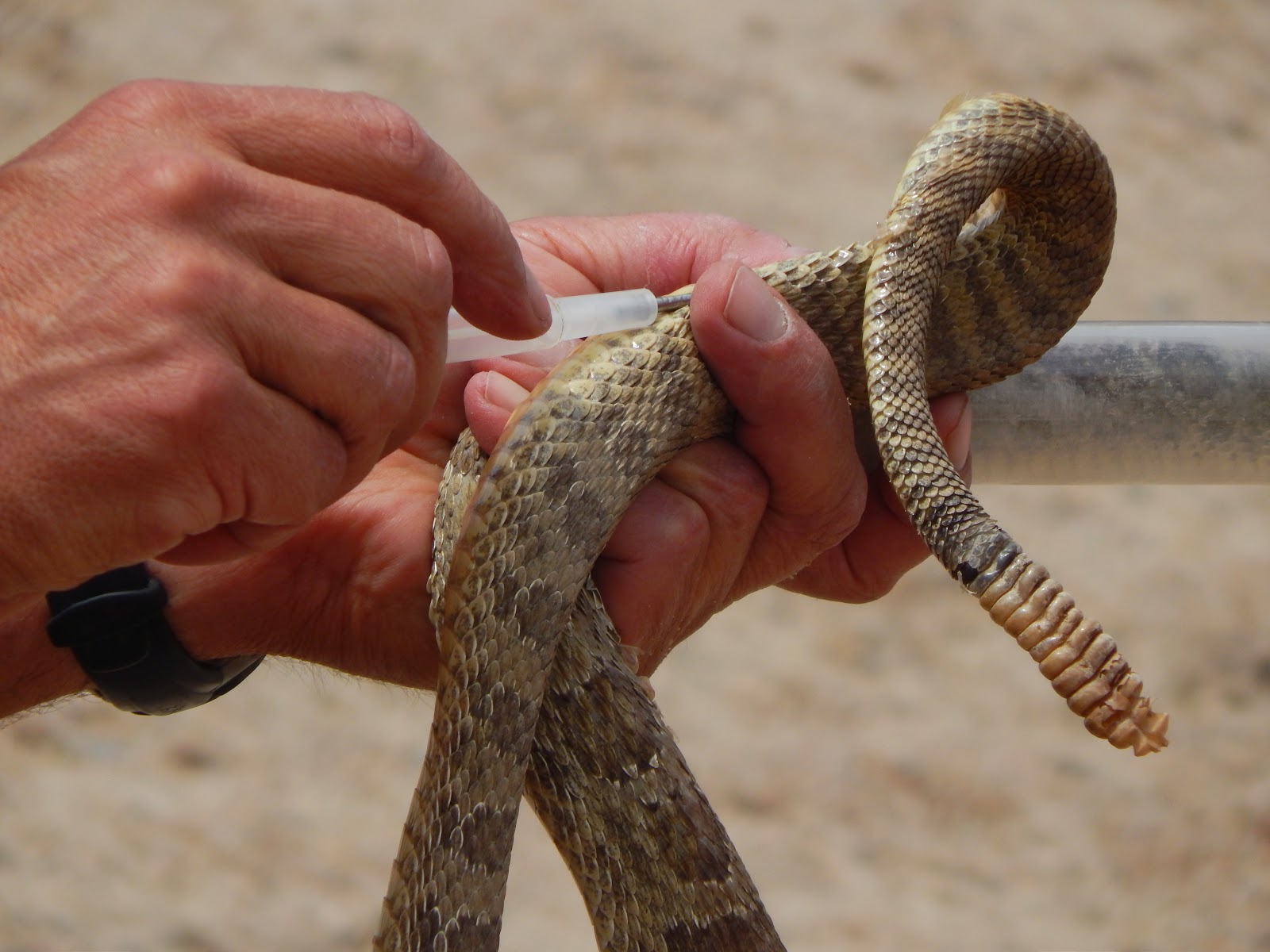
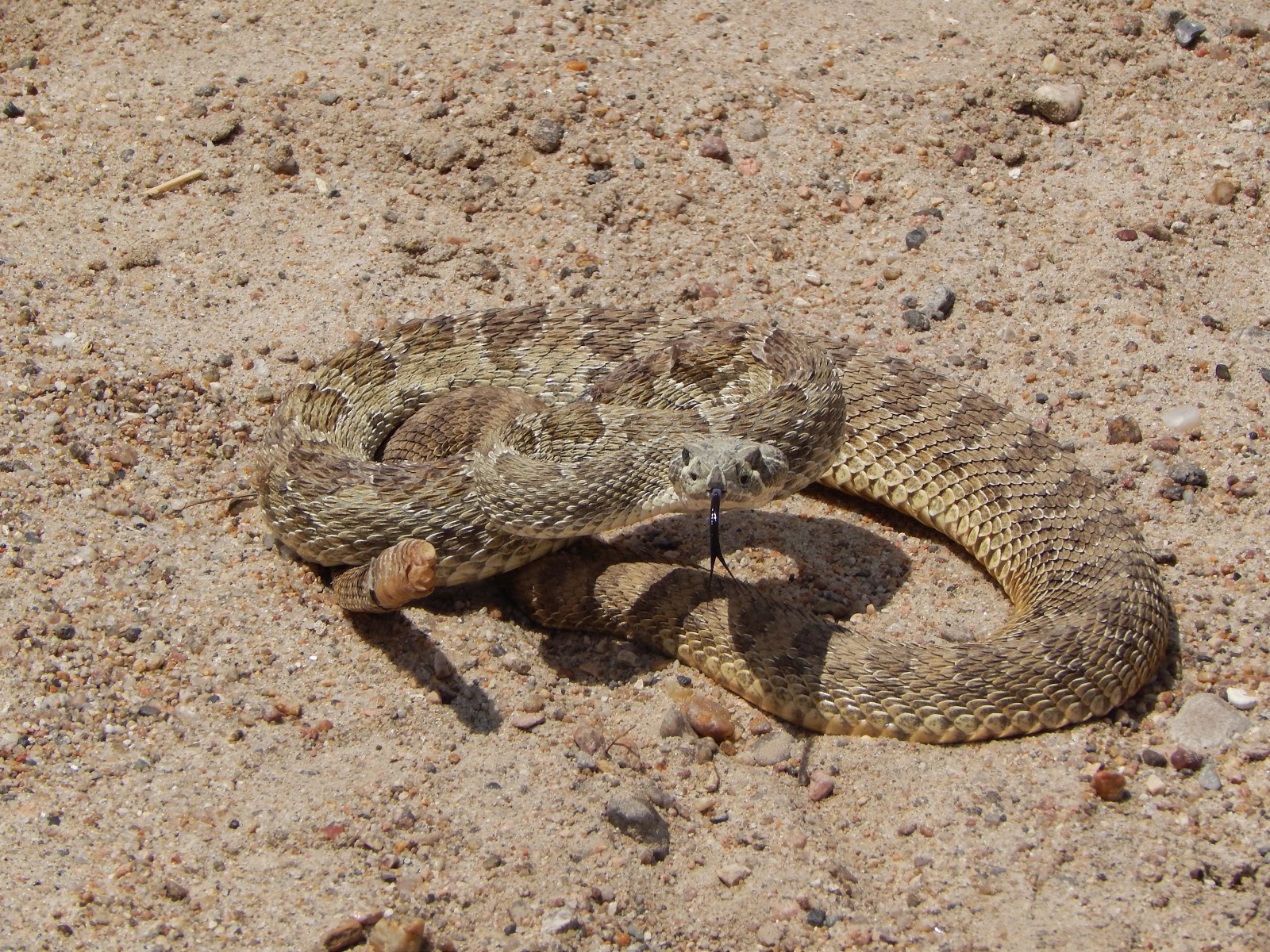
 The next day was devoted to a new group of organisms, herps! Herpetologist Dennis Ferraro from the University of Nebraska's School of Natural Resources talked to the students about the study of amphibians, turtles, crocodilians, and reptiles. Students traveled to Beckius Ponds to look for tadpoles, toadlets, and even a few full-grown toads. Here, they learned how to differentiate between some of the common tadpole species in this area and how to tell male from females in adult anurans. Just before lunch, the students made their way over to Deer Pond to skim for other types of tadpoles and managed to also find a small painted turtle! After lunch, Ferraro demonstrated pit-tagging technique with a rattlesnake he collected on the way to the station. Students watched in amazement as he fearlessly (and cautiously) tagged the animal for research. A few minutes after putting away equipment, a student found a hognose snake nearby. Interestingly, the snake had a pit tag! The excited herpetologist pulled out his scanner and a smile crossed his face as he announced that the snake had been tagged three years ago. He took the teaching moment to tell the students all about hognose snake biology. Once everyone had had a chance to handle the creature, it was released and the students went for a hike around the hills on the west side of campus. Along the way, the group found a central plains milksnake, woodhouse's toads, fence lizards, and racerunners. That evening, local turtle researchers allowed the students to take part in a feeding of research animals (ornate box turtles) to finish up a really great herp day.




Thursday morning students headed to Ogallala to check frame traps in Humphrey's with Daryl Eichner of the Nebraska Game and Parks Commission. As fish were pulled from the traps, they were measured and weighed by the students. Some of the fish were released and others were taken back to the station for later use. Daryl told students all about the biology of these vertebrates and discussed with them the importance of monitoring fish populations in Western Nebraska. That afternoon Eichner took students pole fishing at Beckius Ponds to teach them the basics of angling and casting.


The final day of camp was filled with talk of parasites. PhD student Elizabeth Racz from the School of Biological Science at the University of Nebraska talked to the students about both the abundance and the importance of parasites in Nebraskan ecosystems. The students cut open the fish from the day before and saw many different types of parasites. One fish was full of roundworms, while another was full of flukes. Upon scouring the gills, students were lucky enough to find a parasitic copepod (a crustacean) with two large egg sacs. Racz spent a lot of time talking to students about their finds and the life cycles of many of the parasites in Western Nebraska. She concluded her talks with an activity in which each student represented different parts of a typical life cycle for a fluke to demonstrate some of the intricacies of parasitic life cycles.


Students worked hard all week and had a blast canoeing, fishing, watching movies, playing games, and swimming in the evenings. They walked away with experiences unlike any other science camp. For five days, they were able to step into the shoes (or in some cases, the boots) of real biologists to study life hands-on as it can only be studied at a field station like CPBS. Their time spent at here for YNS has certainly broadened their understanding of biodiversity, particularly here in Western Nebraska. We hope to see them here again next summer!


